College Station and Bryan Local Market News

March 5, 2025

Home-Related Tax Deductions

Tax season. Just the words can send shivers down your spine. But if you're a homeowner, there's a silver lining: potential savings! 

You’ve probably heard that you can deduct the interest you pay on your mortgage — but did you know there are many other ways homeowners can reduce their tax burden?

Before you start your return, read this post for common home-related tax deductions, eligibility requirements, and tips on how to maximize your savings.

Home-Related Tax Savings: The Basics

Before we get into the details, it’s important to define some important terms to set the stage. 

Tax Deductions vs. Tax Credits

Most tax savings opportunities for homeowners come in the form of tax deductions. Deductions work by reducing your taxable income — essentially, the government allows you to subtract certain expenses from your total income before calculating how much you owe in taxes. This means a lower taxable income and, ultimately, a lower tax bill. For example, if you earn $50,000 and claim tax deductions worth $5,000, you will only pay taxes on $45,000. 

Tax credits, on the other hand, directly reduce your tax bill, rather than your taxable income. That means that if you owe $10,000 in taxes and claim a tax credit worth $2,000, your tax bill will be reduced to $8,000. 

Pro Tip: Meticulous record-keeping is crucial. Keep detailed records of all potentially eligible expenses. This will make tax time much smoother and ensure you don't miss out on any deductions. 

Itemized Deductions vs. Standard Deduction

To understand what deductions apply to your situation, it's important to know the difference between itemized deductions and the standard deduction. The standard deduction is a fixed dollar amount that you can subtract from your adjusted gross income (AGI) regardless of your actual expenses. Itemized deductions, on the other hand, are specific expenses that you can deduct, such as mortgage interest, property taxes, and charitable contributions.

You'll need to choose whether to itemize or take the standard deduction. Generally, you should itemize if your total itemized deductions exceed the standard deduction. Most home-related deductions are only applicable if you choose to itemize.

2025 Standard Deduction Amounts

  • Single and Married Filing Separately: $15,000
  • Head of Household: $22,500
  • Married Filing Jointly: $30,0001

Source: IRS

Key Home-Related Tax Deductions and Credits

If you do choose to itemize your taxes, common tax deductions and credits available to homeowners include: 

Mortgage Interest Deduction

No one likes to pay mortgage interest, but the good news is that you can deduct interest used to buy or build your primary residence or a second home. However, there are certain limitations that you need to be aware of.2

Mortgage size: If you file your taxes single or married filing jointly, you can deduct interest paid on the first $750,000 of mortgage debt3 for your primary residence or second home. If you are married but choose to file separately, that limit drops to the first $375,000 (for each partner). 

Requirements: 

  • The mortgage interest deduction only applies if your home is collateral for the loan (which is standard).
  • To qualify as a primary home, your property must have sleeping, cooking, and toilet facilities.
  • If you are deducting mortgage interest on a second home, you don’t need to use the home during the year; however, if you rent it out, you must spend at least 14 days or more than 10% of the days you rented it out (whichever is longer). 

So, how do you calculate how much mortgage interest you’ve paid?

The amount of interest you pay each year will vary, even if your interest rate is fixed — that’s because mortgage amortization3 means that you pay more interest earlier in the mortgage’s term, and more principal closer to the end. Each year, your lender will send you (and the IRS) a copy of Form 1098, which shows how much you paid in interest.4 

For example, let’s say you are a married homeowner filing jointly with a mortgage for $400,000. If your Form 1098 shows that you paid $25,000 in mortgage interest in 2025, you could deduct the full $25,000 from your 2025 household income. 


Real Estate Taxes (Property Taxes)

You can deduct state and local real estate taxes (property taxes) you pay on your primary residence or second home. However, it's crucial to understand what qualifies. Only property taxes imposed for “general public welfare” are deductible5—if your town imposes a special assessment for a project that directly improves your property value, like a sewer line, that is not deductible. Furthermore, fees for local services, such as trash collection or sewer maintenance, are not deductible, even though your town may list them on the same bill as your property taxes.

There's also a limit: the 2017 Tax Cuts and Jobs Act imposed a $10,000 cap on the total amount of state and local taxes (SALT)6 you can deduct. This includes state and local income tax (or sales tax) as well as property taxes. 

Finally, be aware that the amount you deduct must match the amount actually paid to the tax authority.7 This might differ from what you put into escrow if you pay property taxes through your mortgage lender. Typically, the amount your lender paid to your tax authority is listed on Form 1098. 


Home Equity Loan Interest

You can deduct the interest paid on home equity loans or home equity lines of credit, but with a significant caveat. Since 2017, that interest is only deductible if the loan proceeds are used to buy, build, or substantially improve3 your primary residence or second home, and the loan is secured by the home.

If you use the home equity loan for other purposes, such as a vacation, debt consolidation, or purchasing a car, the interest is generally not deductible.  If you use part of the loan or line of credit for eligible purchases, and part for non-eligible purchases, only interest incurred on the portion used for eligible spending is deductible.

Loan interest is also not deductible if the funds are used for home improvement projects or repairs that do not “substantially improve” your home. Smaller projects, like repainting or new cabinets, likely do not qualify. However, projects like building an addition, a full kitchen remodel, or installing a new roof should qualify as substantial improvements.8 

It’s also important to note that home equity loan and HELOC interest rate deductions are subject to the same upper limits3 as mortgages (and are added together with your mortgage for calculation purposes). For example, if you have a $500,000 mortgage and a $300,000 home equity line of credit—which together exceed the $750,000 limit for a married couple—you would only be able to deduct interest paid on the first $750,000 of those combined loans. 

Home Improvement Expenses

You can't usually deduct home improvement expenses directly.9 However, the money you spend on capital improvements (improvements that increase your home's value) can help reduce your tax bill later. These expenses are added to your home's "cost basis,"10 which reduces your capital gains tax when you eventually sell the house. Think of it this way: by keeping records of your home improvements, you're essentially increasing the "price" you're considered to have paid for your home, thus lowering your profit when you sell. 

It’s important to note that not all projects qualify as capital improvement. Basic repairs and updates likely won’t qualify, while major additions and landscaping likely will (the considerations are the same as those used to determine whether home equity loan interest is deductible).

Beyond capital improvement, there are a few specific categories of home improvement that are deductible, including work on home offices (which is subject to specific limitations) and certain modifications for medical/accessibility reasons.11 


Energy-Efficient and Clean Energy Tax Credits

Certain energy-efficient home improvements can qualify you for valuable tax credits. Unlike deductions, which reduce your taxable income, tax credits directly reduce your tax bill, making them even more beneficial. 

For qualifying energy efficiency expenses in the 2024 tax year12, homeowners can claim up to 30% of qualified expenses on their federal tax return, with a maximum credit of $3,200.13 However, some qualifying expenses, like new exterior doors and windows, come with their own maximum credit limits, so it's essential to check the specific rules. 

Another option is the Residential Clean Energy Tax Credit, which offers a 30% credit for the cost of installing renewable energy systems, such as solar panels, on your primary residence or a second home that you use part-time and don't rent out.13 Many states also offer their own tax deductions, rebates, or credits related to energy efficiency and clean energy, so be sure to investigate what's available in your state.

Selling Your Home and Taxes

When you sell your home, the difference between the selling price and what you originally paid for it (plus any major improvements) is called your capital gain.  Think of it as your profit from the sale.  Let's walk through a simple example:

Imagine you bought your home for $200,000. Over the years, you invested in some significant upgrades, like a kitchen remodel ($30,000), a new roof ($15,000), and landscaping ($5,000). These are called "capital improvements," and they increase your home's "cost basis"—essentially, what the IRS considers you to have invested in the property. In this case, your adjusted cost basis would be $250,000 ($200,000 original price + $50,000 improvements).

Now, let's say you sell your home for $350,000. Your capital gain would be $100,000 ($350,000 selling price - $250,000 adjusted cost basis).

Capital Gains Exclusion

The good news is that the IRS allows you to exclude a significant portion of your capital gain from taxation!14  If you're single, you can exclude up to $250,000, and if you're married filing jointly, you can exclude up to $500,000.  To qualify for this exclusion, you need to have owned and used the home as your primary residence for at least two out of the five years before the sale.  This is a key factor to consider when deciding how long you plan to live in a home.

Essentially, this exclusion means that, in many cases, homeowners won't owe any capital gains tax when they sell their primary residence.  It's a valuable tax benefit that can significantly impact your finances.  Keep good records of your purchase price and any capital improvements you make to ensure you can accurately calculate your capital gain and take full advantage of the exclusion when you sell.

Record-Keeping Tips for Homeowners

Organized records are essential for taking advantage of tax deductions and credits. Keep all relevant documents, such as mortgage statements, property tax bills, and receipts for home improvements, readily accessible.15 It's wise to keep both physical and digital copies (scan and save everything!). Store physical copies securely, perhaps in a safe deposit box. Keep all home-related records for as long as you own the home, plus at least three years after you file your tax returns for the year of the sale.

Conclusion

Homeownership offers numerous opportunities to save on taxes. From mortgage interest and property taxes to energy-efficient upgrades and capital gains exclusions, understanding these deductions and credits can significantly reduce your tax burden. Remember, this information is for general guidance only. Consulting with a qualified tax professional is invaluable for personalized advice.


Have questions about real estate or need a referral to a trusted tax advisor? Contact us today!


Note: This information is accurate as of February 2025 and is intended for general guidance only. Tax regulations are subject to change.


Sources:

  1. IRS - https://www.irs.gov/newsroom/irs-releases-tax-inflation-adjustments-for-tax-year-2025
  2. Nerdwallet - https://www.nerdwallet.com/article/taxes/mortgage-interest-rate-deduction
  3. IRS - https://www.irs.gov/forms-pubs/about-publication-936
  4. IRS - https://www.irs.gov/forms-pubs/about-form-1098
  5. IRS - https://www.irs.gov/faqs/itemized-deductions-standard-deduction/real-estate-taxes-mortgage-interest-points-other-property-expenses/real-estate-taxes-mortgage-interest-points-other-property-expenses-5#:~:text=The%20total%20deduction%20allowed%20for,taxes%20or%20sales%20taxes)%20is
  6. IRS - https://www.irs.gov/taxtopics/tc503#:~:text=Overall%20limit,your%20other%20itemized%20deductions%20also.
  7. TurboTax - https://turbotax.intuit.com/tax-tips/home-ownership/claiming-property-taxes-on-your-tax-return/L6cSL1QoB
  8. Bankrate - https://www.bankrate.com/home-equity/home-equity-loan-tax-changes/#how-to-claim
  9. USNews - https://realestate.usnews.com/real-estate/articles/are-home-improvements-tax-deductible
  10. IRS - https://www.irs.gov/publications/p523
  11. NOLO - https://www.nolo.com/legal-encyclopedia/what-home-improvements-tax-deductible.html
  12. USNews - https://money.usnews.com/money/personal-finance/articles/how-consumers-can-save-with-the-new-climate-tax-breaks
  13. IRS - https://www.irs.gov/credits-deductions/energy-efficient-home-improvement-credit
  14. Bankrate - https://www.bankrate.com/real-estate/capital-gains-tax-on-real-estate/#avoiding-during-home-sale
  15. NOLO - https://www.nolo.com/legal-encyclopedia/tax-reasons-keep-good-records-home-improvements.html


Posted in Real Estate News
March 5, 2025

March 2025 Real Estate Update: Latest Stats

Posted in Market Updates
Feb. 5, 2025

January Real Estate Stats Update


Posted in Market Updates
Feb. 5, 2025

4 Home Remodeling Projects with the Highest ROI

4 Home Remodeling Projects with the Highest ROI

Ask any homeowner about what they would like to change about their home, and most will say, “How much time do you have?

Home improvements (cue Tim Allen) or home remodeling projects can stem from a variety of motivations, like preparing your home to put on the market, adding space for a growing family, addressing outdated features or aesthetics, or fixing structural/functional issues with the home. 

However, when it comes to home remodeling projects, too many people assume their project will proportionally increase the value of their home. Few actually consider the complete scope of return on investment (ROI), taking into account not only potential impact on resale value but also the total costs of time, labor, and materials. Some renovations may provide more “quality of life” ROI by improving comfort and aesthetics without significantly impacting resale value, while others can deliver notable financial returns.

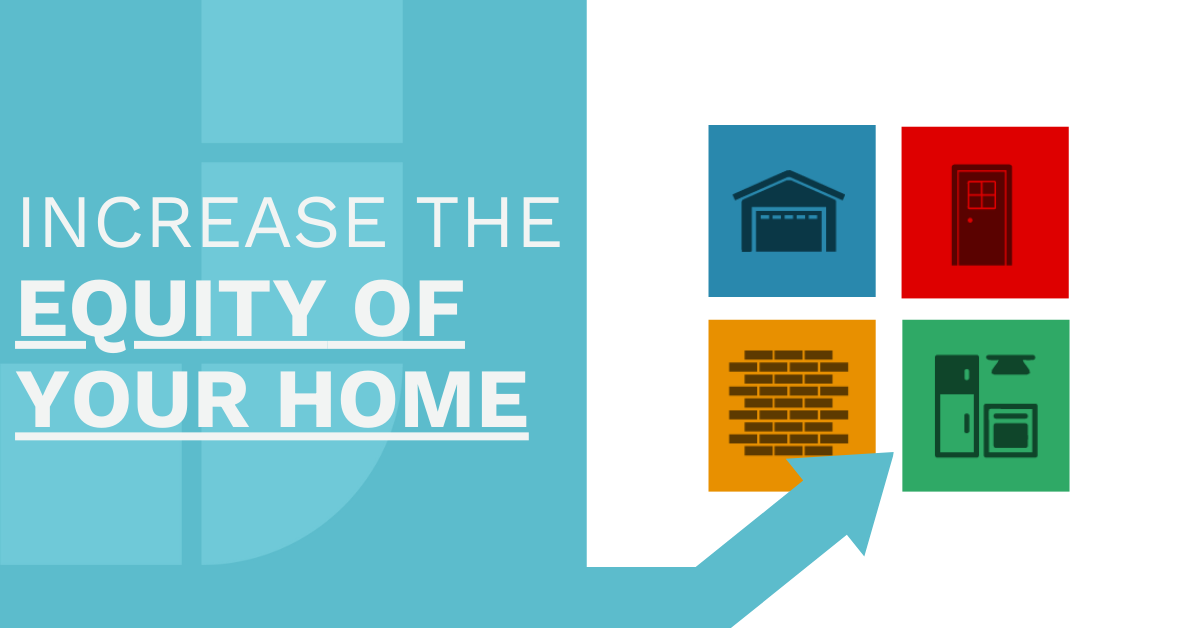
Whether you’re looking to upgrade your living space, increase the equity of your home, or trying to make some quick changes to improve your resale price, here are four remodeling projects with the highest ROI and some tips on how to get them done.

Top 4 Home Remodeling Projects with the Highest ROI

Before diving into specific projects, it’s important to understand how the data supporting these ROI estimates was gathered. This article references findings from the 2024 Cost vs. Value Report conducted by Zonda Media, a reputable research firm in the real estate and construction industries. The report’s ROI figures are based on national averages for both the cost of materials and labor, which means that regional differences may lead to variations in actual returns.

1. Garage Door Replacement

  • Job Cost: $4,513
  • Resale Value: $8,751
  • ROI: 193.9%

Replacing an old garage door is one of the simplest ways to dramatically boost your home’s curb appeal—and it happens to deliver the highest ROI of any remodeling project. The impact is largely due to the prominent visual space a garage door occupies on a home’s exterior. A sleek, modern garage door can make your entire facade look fresher and more attractive to buyers.

Garage doors with the highest ROI include insulated steel doors with modern paneling, custom carriage-style doors, and those featuring windows or decorative hardware. These options not only enhance the home’s exterior aesthetics but also improve functionality and energy efficiency.

2. Steel Entry Door Replacement


  • Job Cost: $2,355
  • Resale Value: $4,430
  • ROI: 188.1%

Upgrading to a steel entry door is a simple yet impactful change that can drastically improve both the look and energy efficiency of your home. Steel doors cost less than wood ones, giving you a cost effective way to make a big impact on the curb appeal of a home, without sacrificing performance, life span, or durability.

Why It Works:

  • Cost-Effective Curb Appeal: Steel doors are less expensive than wood but provide a similar aesthetic boost. This makes them a budget-friendly way to enhance a home’s exterior.
  • Energy Efficiency: Many steel doors come with insulating cores, which can help keep your home comfortable year-round and lower energy bills.
  • Increased Security: Steel doors are harder to break into, providing an added layer of safety that appeals to security-conscious buyers.

3. Manufactured Stone Veneer

  • Job Cost: $11,287
  • Resale Value: $17,291
  • ROI: 153.2%

Manufactured stone veneer (MSV) is a high-ROI project because it delivers a striking visual upgrade at a relatively moderate cost. MSV is an artificial cladding material designed to mimic the look of natural stone, making it a cost-effective way to add texture and sophistication to your home’s exterior.

Why It Works:

  • Strong Visual Impact: Stone veneers add depth and elegance, creating an upscale appearance that can significantly boost curb appeal.
  • Durability and Low Maintenance: Unlike natural stone, MSV is lightweight, easier to install, and resistant to wear and tear.
  • Perceived Value: Even though it’s a faux material, MSV adds an air of luxury and craftsmanship that can make your home more appealing to buyers.

Pro Tip: Use manufactured stone veneer to accentuate specific areas, such as around the entryway or along the lower portion of the facade, for maximum visual impact without overspending.

4. Minor Kitchen Remodel (Midrange)

  • Job Cost: $27,492
  • Resale Value: $26,406
  • ROI: 96.1%

According to Homelight’s “Top Agent Insights End of Year 2024 Report”, “88% of agents say that upgraded kitchens and appliances are one of the best selling points for homes”--a significant increase from the previous year. https://homelightblog.wpengine.com/wp-content/uploads/2024/12/homelight-top-agent-insights-end-of-year-2024-report.pdf

The trick to ROI with a kitchen remodel is the budget, and how you decide to balance what to upgrade, the quality of materials, and how much to work within the existing layout. For example, you can make a big impact with less expense if you keep your current cabinet boxes but upgrade the doors and hardware. However, if you strike that balance, you can recoup much of your investment. If you’re looking to sell, an updated kitchen will appeal to buyers, which can also help your home stand out and sell faster. 

Why It Works:

  • High Buyer Interest: Kitchens are a focal point for most buyers, so even modest improvements can make a significant impact.
  • Affordable Upgrades: By focusing on midrange materials—such as quartz countertops, midrange appliances, and refaced cabinets—you can keep costs manageable while still delivering a fresh look.
  • By keeping the existing layout and avoiding costly structural changes, you can modernize your kitchen while keeping costs down.

Key Takeaways for Homeowners

7 out of the 10 best ROI projects all have to do with improvements to the exterior of your home, which makes one thing very clear: Boosting the curb appeal of your home in a cost-effective manner will give you the best ROI if you’re thinking about selling this year. 

If you look at the current housing market, you can start to see why that is. In the post-pandemic frenzy, buyers had to accept whatever they could find. However, housing inventory has increased over the last couple of years, giving buyers more options. Additionally, due to high-interest rates and affordability issues, the current market favors older, move-up home buyers who are sitting on equity, and these buyers can afford to be pickier about the home they buy. 

You can see these trends play out in the “Top Agent Insights End of Year 2024 Report” conducted by HomeLight:


Given these trends, it’s no wonder that the remodeling projects with the best ROI are those that make the home stand out from other homes in the area and leave a strong impression with potential buyers.

Conversely, the projects with the lowest ROI involve major remodels or upscale materials. Anytime you alter the footprint of a home—such as by moving walls or adding square footage—you’ll incur higher costs and lower returns. Unless you’re a general contractor or a skilled DIYer, these high-end renovations typically aren’t worth it from a purely financial perspective. The one caveat is if you’re in a market where high-end appliances and materials are the rule not the exception. 

How to Get Started on a Remodeling Project

Starting a remodeling project can feel overwhelming. Here’s how to set yourself up for success:

1. Outline Your Project Goals
Before you dive into the nitty-gritty of remodeling, take a step back and clarify what you hope to achieve.

Are you remodeling to improve aesthetics? To improve functionality or comfort for your family? To prepare your home for the market or boost your resale value? Is it an essential repair? After you decide on why you’re doing it, you can take a step back and decide what is worth the cost to you.

2. Get inspired: Take time to gather ideas and give shape to your vision. Whether you're updating a single room or tackling a whole-house remodel, these resources can inspire you:

  • Houzz – A go-to platform for home remodeling ideas, complete with photos, product links, and even local contractor recommendations.
  • Pinterest – Create mood boards for different rooms by pinning your favorite designs and layouts. You can also add '-pinterest' to Google searches to find more targeted boards and collections of remodeling ideas on Pinterest. 
  • This Old House – Packed with articles, videos, and guides on home renovation projects, from DIY fixes to large-scale remodels.
  • YouTube Channels: Follow popular home renovation YouTubers who share real-life projects, product reviews, and practical tips.
  • Visit Local Showrooms: You can visit the showrooms or warehouses from local manufactures for ideas on fixtures, cabinetry, and counter tops. 
  • Open Houses - Stop by open houses in your area to get a feel for what’s popular and what other homeowners have done. 
  • Local Remodeling / Contractor Websites: Many will post galleries and before/after images of their renovations, and these galleries can be a goldmine for practical remodeling ideas!

3. Prioritize your wants vs. needs: Once you’ve gathered ideas, it’s time to separate the essentials from the extras.

Must-Haves: These are the non-negotiable items—structural fixes, code-compliance upgrades, or critical repairs.

Nice-to-Haves: These are aesthetic choices or features that you’d like to include if your budget allows. A prioritized list will help you make tough decisions if costs start to climb or timelines get tight.

4. Create a scope and timeline: Clearly defining what’s included (and excluded) in your remodel is critical for staying on schedule and within budget.

What’s Included: Are you only updating finishes and fixtures, or are you changing the layout and moving walls?

Project Phases: If you’re remodeling multiple areas, consider breaking the project into phases to manage timelines more effectively.

Expected Timelines: Be realistic about how long the project will take, especially if you’re working around major life events or seasonal weather.

5. Set a realistic budget: Start by researching the typical costs for your specific type of remodeling project in your area. Resources like Remodeling Magazine’s Cost vs. Value Report, HomeAdvisor, and NAHB provide national and regional averages for popular renovations like kitchens, bathrooms, and additions.

6. Include a Contingency Fund: Even with thorough planning, unexpected costs seem to always arise. Many experts recommend setting aside 15% - 30% of your total budget for contingencies.

7. Research contractors & Get Multiple Quotes: If you're hiring contractors, request at least three detailed quotes to compare prices and scope of work. Make sure to clarify what’s included in each quote to avoid misunderstandings. And use your checklist below for some tips on hiring a contractor! 

Checklist for Hiring a Contractor

Finding the right contractor is crucial for a successful remodeling project. Here’s a quick checklist to help you hire the right professional:

  • Get recommendations from friends, family, neighbors, and your real estate agent.  Word of mouth is one of the most reliable ways to find a trusted contractor. Ask people you trust about their experiences and if they would hire the contractor again. After you have a recommendation, you can also search for reviews online. 
  • Check credentials, licensing, and insurance. Verify that the contractor is licensed to work in your state. Most states have an online database for checking contractor licenses. You can also look for contractors certified by reputable organizations, such as the National Association of the Remodeling Industry (NARI). 
  • Review past projects and ask for client references. Ask to see a portfolio of previous projects similar to yours. Pay attention to the quality of work and whether their style aligns with your vision.
  • Request detailed bids from multiple contractors. Ask for written estimates that break down costs into categories such as labor, materials, permits, and any additional fees. Compare bids carefully to ensure all contractors are quoting on the same scope of work.
  • Ensure the contract includes a clear scope of work, timeline, and payment terms.
  • Check references - A reputable contractor should have no issue providing references. Contact past clients and ask about their experience.
  • Avoid red flags
    • Unusually Low Bids: If a bid is significantly lower than others, it could indicate corner-cutting or hidden costs.
    • Pressure to Pay Upfront: A small deposit is normal, but never pay the full amount before work begins.
    • Lack of Written Contract: Never agree to verbal agreements only.
    • Poor Communication: If a contractor is difficult to reach or dismissive during the bidding process, this may continue during the project.

Conclusion

Whether you’re updating your home to sell or simply want to enjoy a more modern space, focusing on high-ROI projects is a smart strategy. From replacing your garage door to enhancing your home’s exterior with stone veneer, these upgrades can boost both your home’s value and appeal.

Curious about what features are popular in your neighborhood? Thinking of moving and wondering what remodeling projects, if any, you should do before listing? Want recommendations on contractors? I’m happy to help! 

Posted in Real Estate News
Jan. 13, 2025

December Real Estate Stats Update


Posted in Market Updates
Jan. 13, 2025

Home Values are going up in 2025

The 2025 Real Estate Report

Experts Predict Home Values to Increase 1.5% to 3.6% in 2025.

Top housing experts and economists give a glimpse of what mortgage rates, home values and the national real estate market will do in 2025. 

Key Takeaways

  • Mortgages are forecasted to remain higher for longer; but there are things you can do to lower your rate.
  • Home values are predicted to increase incrementally on a national level; and there are projects you can do to increase your home’s value.
  • The national market will slightly favor sellers in negotiations; however, real estate is driven by local dynamics and may favor either buyers or sellers.

Note: real estate is a dynamic market and forecasts made in this article will change as the year unfolds.

Mortgage Rates Will Average 6.4% in 2025

In 2023, the average 30-year mortgage peaked at 7.79% following the pandemic. Rates came down from that peak in 2024. What will mortgage rates do in the next year?

The Federal Reserve is predicted to lower the federal funds rate 6 to 8 times in 2025; but mortgage rates are not set by the Federal Reserve and may not drop significantly (National Association of REALTORS®). 

Fannie Mae predicts mortgage rates to average 6.4% in 2025. Mortgage Bankers Association also predicts mortgage rates to average 6.4%, but with slightly higher rates compared to Fannie’s forecast.

Sources: Fannie Mae Housing Forecast: November 2024 and
Mortgage Bankers Association Mortgage Finance Forecast: November 2024


When Will Mortgage Rates Drop Back to 3%?

Historically, rates have never been as low as the pandemic era interest rates. 30-Year mortgage rates averaged between 4% and 6% during & after the housing crisis and Great Recession. A return to a 3% range is very unlikely.

Source: Federal Reserve of St. Louis

Tips to get a better mortgage rate…

While we can’t affect the average 30 year mortgage rate, you can improve your credit and get the best possible rate. Here’s an example of recent mortgage rates by credit score:

Source: myFICO.com

If you’re thinking of making a move, the earlier you talk to a mortgage finance professional, the more time you have to work on improving your credit to get a better rate. 

Need a recommendation to a trusted lender? Send me a message.


Home Values Will Increase by 1.5% to 3.6%

Since 2020, the average sales price of a home has gone up by $97,000 or 29.7% (Federal Reserve of St. Louis). Which indicates homeownership to be a great investment. But, what will home values do in the next year?

On a national level, home price growth is predicted to slow down from 2024. However, home prices are predicted to increase in 2025. Fannie Mae predicts home prices to increase on average by 3.6%. MBA is predicting an average increase of 1.5%.

Sources: Fannie Mae Housing Forecast: November 2024 and
Mortgage Bankers Association Mortgage Finance Forecast: November 2024

Home values are influenced by local market dynamics. If you want to understand what home values are forecasted to do locally, consider talking to a real estate professional.

Want to increase your home’s value? Consider these remodeling projects for the highest return on investment.

Will Home Values Crash in 2025?

For home values to drop significantly, a major influx of homes for sale would have to hit the market. Freddie Mac estimates the U.S. housing stock is 3.7 million units below what’s needed to meet demand. It will take time to build up inventory to meet demand. Which is why a major drop in home values and prices is unlikely.


Will 2025 Be a Home Buyers or Sellers Market?

Who will have the advantage in the 2025 housing market, buyers or sellers? One measure of the market is Months Supply and it shows who has the advantage. 

Months Supply is calculated by dividing the total number of homes for sale by the average number of homes sold each month. For example if there are 500 homes for sale in a particular area and an average of 100 homes are selling each month, the Months Supply is 5 months. 

Here’s a chart of month’s supply going back to November of 2023:

Source: Federal Reserve of St. Louis

6 Months Supply is considered a balanced market. Over 6 months supply is considered a buyers’ market. Below 6 months supply is a sellers’ market. At 4 months supply on a national level, the market slightly favors sellers.

Inventory is rising nationally, however, which could shift the market to favor buyers in the next year. With that said, all real estate is local and local markets will differ in favoring buyers versus sellers. 

If you want to know if your area favors buyers or sellers, send me a message.

What This Means for Homeowners

If you own a home, you will likely see a slight increase in your home's value. If you want to increase your home’s value and enjoy the upgrades, consider making some home improvements. If you want advice on which features or projects are best suited for increasing your home’s value, consult with a professional.

Tips for Potential Home Buyers

If you’re thinking of purchasing a home, the sooner you start planning the better. Knowing your price range, optimizing your credit, and working towards your downpayment are steps you can take now. Even if you’re in the market to buy in the next 12 to 24 months, talking with a real estate professional early in the process will set you up for success.

Tips for Potential Home Sellers

Sellers need to prioritize their objectives. Is getting top dollar for your home the highest priority, is it moving within a specific timeframe? Do you have to sell a home prior to purchasing your next one? These objectives must be prioritized so that an effective plan and marketing strategy can be put into place. Thinking of making a move? Talk to a real estate professional!


Real Estate Forecast Outline

How’s the Market? Housing Experts Predict XX Change in 2025

Purpose / Intent Statement

Current State of Market

  • Interest Rates
  • Inflation
  • Economic Growth
  • Housing Supply & Demand

Key Factors Affecting 2025 Market

  • Discuss the specific factors that will shape the housing market in 2025.
  • Interest rates and inflation
  • Economic conditions and employment
  • Demographic shifts and migration patterns
  • Government policies and regulations
  • Technological advancements

Predictions and Trends

  • Will it be a buyer's or seller's market?
  • Which regions will see the most growth?
  • What types of properties will be in high demand?
  • Discuss emerging trends in the real estate industry.
    • Sustainable and eco-friendly housing
    • Smart home technology
    • Co-living and shared housing

Advice for Buyers and Sellers

  • Tips for getting pre-approved for a mortgage
  • Strategies for finding the right property
  • Advice on negotiating offers
  • Recommendations for staging and selling a home

Conclusion

  • Summarize the key takeaways from the article.
  • Offer a final thought or prediction about the 2025 housing market.
  • Include a call to action


Content Design

Sources

Calculated Risk, Preliminary 2025 Housing Forecasts


Zillow’s Predictions

NAR’s Residential economic issues & trends (Lawrence Yun)

Mortgage Rates

MBA November 24

Fannie Mae November

MyFICO 


Mortgage

2025

Q1

Q2

Q3

Q4

Fannie Mae

6.6%

6.4%

6.3%

6.2%

Mortgage Bankers Association


Home Prices

2025

Q1

Q2

Q3

Q4

Fannie Mae

6.6%

6.4%

6.3%

6.2%

Mortgage Bankers Association


Posted in Real Estate News
Oct. 20, 2024

September Real Estate Stats Update


Posted in Market Updates
Oct. 10, 2024

Stage to Sell: 7 Proven Steps to Attract Buyers and Boost Offers


Stage to Sell: 7 Proven Steps to Attract Buyers and Boost Offers


Selling your home quickly and at the right price takes more than just listing it online. To draw in potential buyers and secure top offers, your home needs to stand out. That’s where home staging comes in. By strategically preparing your home—through redecorating, repairing, and making it look its best—you can make a lasting impression and significantly increase its appeal.


The numbers speak for themselves: according to the National Association of Realtors, 81% of buyers’ agents report that staging makes it easier for potential buyers to envision themselves living in a home. Moreover, 44% of buyers’ and sellers’ agents say that staging can increase a home’s sales price, and 48% of sellers' agents agree it shortens the time a house spends on the market.1


You can choose to stage your home yourself with advice from your real estate agent or work with a professional stager. Whichever route you take, here are seven essential strategies to transform your home into a buyer’s dream.


Step #1: Declutter and Depersonalize


The first step in staging is to declutter and depersonalize your home. A recent survey of real estate agents found that this simple step can increase your home’s sale price by 3-5%.2


Ideally, you want to create a clean, neutral canvas where potential buyers can imagine their own lives. Remember that staging isn’t interior design—the goal isn’t to add personal, homey touches but to take them away.3 While you may love having plenty of comfy furniture, family photos, and unique knick-knacks, these items can distract potential sellers and make your home feel smaller.4 Be especially mindful to remove children’s toys and pet items. 


The task can feel overwhelming, but consider it a head start on packing for your move — and an opportunity to clear out things you no longer need. If you have a lot of belongings, renting a storage unit might be a smart way to keep things tidy while your home is on the market. 


Step # 2: Deep Clean and Repair

A sparkling clean home leaves a fantastic first impression. Deep clean every room, paying special attention to areas that are often overlooked, like baseboards, windows, and appliances. Even minor smudges, scrapes, or signs of pet hair can put off some buyers. Your goal? Make it look like no one has ever lived there!5 


Minor repairs are equally important. Fix slight imperfections like chipped paint, regrouting tiles, and replacing worn hardware. These easy cosmetic updates make a big difference in how buyers perceive your home’s value. For example, refinishing hardwood floors can offer a 147% return on investment.6


Need help getting your home spic-and-span? Let us recommend a professional who can help.


Step #3: Pick Up a Paintbrush


While buyers may repaint after they move in, the color and condition of your walls still have a big impact on their impression of the home as a whole. Neutral tones like beiges and off-whites appeal to the widest range of buyers—and to the friends and relatives who are also weighing on purchasing decisions.7


If your home features bold colors or striking wallpaper, consider a repaint before you list. When choosing paint colors, make sure to think about how they’ll appear in listing photos and videos. Light, neutral shades can make rooms look brighter and more spacious.


Repainting is especially important in high-traffic areas like the kitchen. Painting outdated cabinets in white or a soft gray can also modernize your space.8


Step #4: Enhance Curb Appeal


First impressions matter, and your home's exterior is the first thing buyers will see. That’s why 98% of agents believe that curb appeal is crucial to attracting a buyer.


Boost your home’s curb appeal by power-washing the exterior and touching up your deck’s varnish.5 You might also consider repainting your front door. Research shows that a freshly painted front door in a classic shade like black or terracotta can increase offers by thousands of dollars.10


And don’t forget landscaping! Keep your lawn tidy, remove dead or dying plants, and consider adding seasonal flowers. Even standard lawn service can lead to a 217% return on investment.9 If you need assistance, we’re happy to offer a referral to landscapers in our area.


Step #5: Stage Key Rooms


When staging, concentrate on the rooms that matter most to buyers: the living room, primary bedroom, and kitchen. These spaces have the greatest influence on a buyer’s decision.


If you’re working with a professional stager, they may bring in furniture and decor.3 If not, make the most of what you have, and don’t worry about how you’d arrange furniture in real life. This is just about showing off the space. 


Arrange furniture to create an open, inviting flow.5 Use large rugs to make rooms appear bigger and ensure artwork complements rather than overwhelms the space.7 Add pops of color with fresh flowers or simple decor like pillows to bring warmth without personalizing the space too much.


Step #6: Put Your Home in Its Best Light


Lighting is key to creating a welcoming atmosphere in your home. Natural light in particular makes any room feel more airy and spacious, so it’s essential to make the most of it. 


First, remove heavy curtains or blinds — if a room feels bare without a window treatment, hang sheer curtains or light-filtering shades to invite the outdoors in. Next, take a look at the landscaping surrounding your home. If overgrown hedges or trees block windows, especially on the ground floor, consider cutting them back or removing them entirely to let in the sunshine. 


Of course, homes need more than just natural light — and it’s important to use a combination of types of lighting to suit different uses and moods. Experts recommend that each room have three light sources: ambient lighting (think ceiling lights or chandeliers), task lighting (like lamps or under-cabinet lights), and accent lights (like track lighting and picture lights).11 If needed, replace outdated fixtures with more modern options.12 Even swapping out lightbulbs can make a difference—opt for warm, 2700k bulbs to create an inviting glow.7


Have hard-to-reach windows or need help installing new lighting fixtures? We’re happy to refer a professional who can help.


Step #7: Show Off Your Work with Photography


These days, most buyers will first see your home online, making high-quality photos essential. According to the National Association of Realtors, 89% of agents agree that professional photos are critical to marketing a listing.1 


Depending on your home and market, you may also benefit from marketing your property with videos, virtual tours, and even virtual staging, where photo editors swap out furniture and colors to show how your home would look with different decor.


Talk to your agent about what makes sense for your situation, and work with them to hire professionals who can capture your staged home in its best light. When it comes time, treat the photo shoot like an open house—everything should be spotless, well-lit, and arranged to show off your home’s best features.


BOTTOMLINE


Whether or not staging is worth the investment depends on your home’s condition, your desired sale timeline, and your local market. Before committing to professional help or cosmetic upgrades, reach out for a free consultation. We can help you assess the best path forward and connect you with the best professionals to make it happen.


The above references an opinion and is for informational purposes only.  It is not intended to be financial, legal, or tax advice. Consult the appropriate professionals for advice regarding your individual needs.


References:

  1. National Association of Realtors -
    https://www.nar.realtor/sites/default/files/documents/2023-profile-of-home-staging-03-30-2023.pdf 

  2. Homelight -
    https://www.homelight.com/blog/how-to-clean-out-a-house-to-sell/ 

  3. National Association of Realtors -
    https://www.nar.realtor/blogs/styled-staged-sold/6-things-home-stagers-wish-real-estate-pros-knew-about-staging 

  4. Coldwell Banker -
    https://blog.coldwellbanker.com/home-staging-mistakes-to-avoid/ 

  5. Zillow -
    https://www.zillow.com/learn/how-to-stage-house-to-sell/ 

  6. NAR -
    https://www.nar.realtor/magazine/real-estate-news/stub-for-148394 

  7. House Beautiful -
    https://www.housebeautiful.com/design-inspiration/real-estate/a61712558/how-to-make-your-house-sell-over-asking-according-to-professional-home-stagers/ 

  8. HGTV -
    https://www.hgtv.com/lifestyle/real-estate/15-secrets-of-home-staging-pictures 

  9. National Association of Realtors -
    https://cdn.nar.realtor//sites/default/files/documents/2023-03-remodeling-impact-outdoor-features-03-17-2023.pdf  

  10. Zillow -
    https://www.zillow.com/learn/what-color-paint-front-door/  

  11. Martha Stewart - 

https://www.marthastewart.com/2126982/how-to-layer-your-lighting 


  1. Martha Stewart -
    https://www.marthastewart.com/outdated-lighting-trends-8421744  

Posted in Selling Your Home
Sept. 19, 2024

August 2024 Real Estate Market Update


Posted in Market Updates
Sept. 17, 2024

7 Mistakes to Avoid when Hiring a Contractor

7 Mistakes to Avoid When Hiring a Contractor


A recent survey found that more than half (52%) of American homeowners have a renovation project planned this year.1 If you’re among them, you know that embarking on home improvements can be both exciting and daunting. According to the survey, the median renovation budget is around $15,000, so you're probably investing a significant amount—and you'll want to ensure your project’s success.1


One of the most critical decisions you'll make is choosing the right contractor to bring your vision to life. However, many homeowners fall into common pitfalls during this process, leading to stress, financial strain, and subpar results. 


In this guide, we'll explore seven mistakes to avoid when hiring a contractor to ensure your project runs smoothly from start to finish.


1. SKIPPING THE RESEARCH PHASE

A common mistake homeowners make is rushing into hiring a contractor without proper research. But to ensure the success of your renovation, it’s crucial to take time to meet with multiple candidates and educate yourself on best practices surrounding your project.

If you bypass the interview process, you miss the opportunity to evaluate different approaches, pricing, and expertise. This can result in overpaying or hiring someone whose skills and vision do not align with your needs.

Neglecting to research the processes and steps involved can also leave you vulnerable. Not only does it make it more difficult to ask the right questions, but you also risk hiring unqualified professionals or settling for subpar work.


What To Do Instead:

  • Educate Yourself — Read up or watch YouTube videos to gain a better understanding of best practices surrounding your project. 
  • Interview Multiple Contractors — Search for and interview at least three contractors who specialize in the type of work you need.
  • Ask Specific Questions — Inquire about the processes and materials each candidate will utilize.
  • Seek Recommendations — Get referrals from trusted sources like friends, neighbors, and real estate professionals. We’d be happy to share a list of referrals!

2. CHOOSING BASED SOLELY ON PRICE


Once you’ve interviewed candidates and reviewed their proposals, it’s time to choose your favorite. But don’t make the mistake of rushing to the lowest bid.

While it's natural to want to save money, selecting a contractor based entirely on price can be a costly mistake. Extremely low bids may indicate cut corners, subpar materials, or hidden costs that will surface later.

According to the National Association of the Remodeling Industry, when evaluating bids, make sure you’re comparing “apples” to “apples” and considering factors like quality, timeline, and scope.2 Are they fully licensed and insured? How long have they been in business? Do they warranty their work?


What To Do Instead:

  • Consider Overall Value — In addition to price, look at experience, reputation, and quality of work.
  • Ask for Detailed Breakdowns — Understand what's included and what's not in each bid.
  • Be Wary of Low Bids – Bids that are significantly lower than others may be too good to be true.
  • Invest in Quality — Remember that quality work comes at a fair price, and investing in a reputable contractor can save you money in the long run by avoiding costly mistakes or repairs.

3. NEGLECTING TO CONFIRM CREDENTIALS & INSURANCE


When you’ve established a good rapport with a contractor, it’s natural to want to believe the best in them. But neglecting to check references and verify licensing and insurance could come back to haunt you.3

Hiring an untrained or unlicensed contractor puts you at risk for safety and code violations, not to mention shoddy workmanship. Without proper insurance, you could be left footing the bill for costly repairs, legal issues, or even medical bills if someone gets hurt on the job.4 

Skipping out on a reference check can be equally problematic. It’s your best opportunity to ensure that their promises and your expectations line up with reality.


What To Do Instead:

  • Verify Licensing and Insurance — Confirm that the contractor is licensed according to local requirements and verify insurance, including general liability and workers' compensation coverage. 
  • Check Reviews — Read online reviews and confirm that the business is in good standing with the Better Business Bureau and other relevant trade groups.
  • Call References — When contacting references, ask questions and request to see photos of the contractor's completed projects.
  • Visit Job Sites — If possible, visit a current job site to observe the contractor's work in progress and interaction with clients.


4. PROCEEDING WITHOUT A WRITTEN AGREEMENT


A handshake deal might seem friendly and straightforward, but it's a recipe for misunderstandings and potential legal issues. Verbal agreements are difficult to enforce and leave room for miscommunication about project scope, timelines, and costs.5 

Instead, you should have a signed contract in place before any work begins.3 Paperwork can be tedious, but don’t skip the important step of carefully reading over your contract, asking questions, and pushing back on any terms that make you uncomfortable.

Don’t forget to ask for payment receipts and document any change orders or issues that arise throughout the project, as well.


What To Do instead:

  • Insist on a Written Contract — Outline all aspects, including scope, materials, timeline, payment schedule, warranty information, and a process for handling change orders.
  • Understand and Agree — Don't sign anything until you fully understand and agree to all terms.
  • Keep Documentation — Once you’ve made your final payment, request a lien waiver or receipt marked “Paid in Full” to keep on file for legal and tax purposes.6


5. PAYING TOO MUCH UPFRONT


Another common misstep is paying a large sum upfront or the full cost of the project before the work is completed. This can leave you vulnerable if the contractor fails to complete the work or disappears with your money. 

According to the home services platform Angi, deposits typically range between 10% and 33% of the total project cost.7 The remaining payments should be tied to progress milestones outlined in your contract. 

Construction attorneys caution against paying a greater share of the project cost than the percentage of the work that’s been completed.3 If you end up dissatisfied with the outcome, you’ll have much less leverage if you’ve already paid.


What To Do Instead:

  • Be Cautious — Avoid contractors who demand large upfront payments or cash-only deals.
  • Establish a Payment Schedule — Tie payments to project milestones and stick to them.
  • Pay Only Upon Completion — Never pay in full until the project is completed to your satisfaction and all required inspections have been passed.


6. FAILING TO GET NECESSARY PERMITS


Skipping the permit process might seem like a way to save time and money, but it can lead to serious consequences. Without the proper permits, you risk running afoul of local building codes and regulations, which could result in fines, forced removal of work, or even legal action.8 

Additionally, unpermitted work might compromise the safety and structural integrity of your home, potentially leading to hazardous conditions or diminished resale potential. Homeowners may also find themselves without recourse if issues arise later, as insurance companies often exclude coverage for unpermitted renovations.8 

If your community has a homeowners association (HOA), don’t forget to check their requirements, as well. You may need prior approval to make modifications to your home or yard. HOAs have the power to enforce these restrictions with fines, and they can even put a lien on your home—so don’t skip this important step.9


What To Do Instead:

  • Discuss Permits — Talk about permits and HOA requirements with your contractor before work begins.
  • Include Permits in the Contract — Ensure that obtaining necessary permits and approvals is part of your contract.
  • Verify Inspections — Make sure all required inspections are completed during the project.
  • Keep Records — Keep copies of all permits, HOA approvals, and inspection reports for your records.


7. IGNORING RED FLAGS AFTER THE PROJECT HAS STARTED


Sometimes a contractor can check all the right boxes—until the work begins. Unfortunately, red flags that are spotted mid-project can be especially challenging to address.

If you’ve already paid a substantial amount or had a portion of your home demolished, you may feel trapped in a bad situation. However, if there are major problems that the contractor is unwilling to address, ignoring them can make things exponentially worse.

Don’t be afraid to seek legal or professional advice if issues persist. Taking immediate, informed, and decisive action is crucial to safeguarding your investment and ensuring the project's ultimate success.10


What To Do Instead:

  • Review Your Contract — Make sure you thoroughly understand your rights and the agreed-upon terms.
  • Document Issues — Keep detailed records, including dates, descriptions of problems, photographs of subpar work or materials, and any communications with the contractor.
  • Communicate Professionally — Arrange a meeting to discuss your concerns, ensuring you remain calm and professional while clearly expressing your expectations.
  • Request a Resolution Plan — Ask for a plan to address the issues, set a timeline for resolution, and put everything in writing to ensure you’re both on the same page.
  • Seek Advice — If the contractor is uncooperative or dismissive, consider seeking advice from a legal professional. You could also contact your local licensing board or consumer protection agency for guidance.


BOTTOMLINE

Hiring the right contractor is crucial to the success of your home improvement project. By avoiding these common mistakes, you can significantly increase your chances of a smooth and successful renovation experience. 

Remember, taking the time to thoroughly vet contractors, communicate clearly, and plan carefully will pay off in the long run. Your home is likely your most significant investment, and it deserves the care and attention that comes with making informed, thoughtful decisions about who works on it.

If you’d like help finding a contractor or want to know how planned improvements could impact your home’s resale potential, reach out for a free consultation!


The above references an opinion and is for informational purposes only.  It is not intended to be financial, legal, or tax advice. Consult the appropriate professionals for advice regarding your individual needs.


Sources:


  1. USA Today -
    https://www.usatoday.com/money/homefront/moving/home-renovation-statistics/

  2. National Association of the Remodeling Industry -
    https://remodelingdoneright.nari.org/Homeowner-Resources/Questions-to-ask/How-to-select-a-remodeler

  3. The Washington Post -
    https://www.washingtonpost.com/home/2024/07/08/how-to-find-good-honest-contractor/

  4. MarketWatch -
    https://www.marketwatch.com/guides/insurance-services/home-insurance-during-renovations/

  5. LegalZoom -
    https://www.legalzoom.com/articles/oral-contracts-do-they-carry-any-weight

  6. Better Business Bureau -
    https://www.bbb.org/all/home-improvement/your-home-improvement-contract

  7. Angi -
    https://www.angi.com/articles/how-much-should-i-pay-general-contractor-prior-starting-job.htm

  8. Bob Vila -
    https://www.bobvila.com/articles/remodel-without-permit/

  9. Bankrate -
    https://www.bankrate.com/real-estate/hoa-homeowners-association-rules/

  10. Angi -
    https://www.angi.com/articles/how-complain-contractors-effectively.htm

Posted in Buying a Home